Have you ever noticed that your body feels tired or heavy when you’re stressed or upset? This is because your mind and body are connected. Mental health isn’t just about how you feel inside; it also has a big impact on your physical health. When your emotions are having a hard time, your body might react like it’s dealing with a real danger. This can lead to real and sometimes serious physical issues.
Let’s explore, ”How mental health affects physical health?”, and why looking after your mind is just as important as taking care of your body.
Understanding Mental Health
What Mental Health Really Means
Mental health encompasses your emotional, psychological, and social well-being. It affects how you think, feel, and act, as well as how you manage stress, communicate with others, and make decisions.
Common Mental Health Conditions
Some of the most common issues include:
- Anxiety disorders
- Depression
- PTSD
- Bipolar disorder
- Chronic stress
These conditions, when unmanaged, can greatly affect physical health.
The Science Behind the Connection
How Stress Impacts the Body
Imagine your body as a machine. When you’re stressed, it switches into “survival mode.” Your heart beats faster, your muscles tighten, and your breathing quickens. This is helpful in the short term but dangerous in the long term.
The Role of Hormones
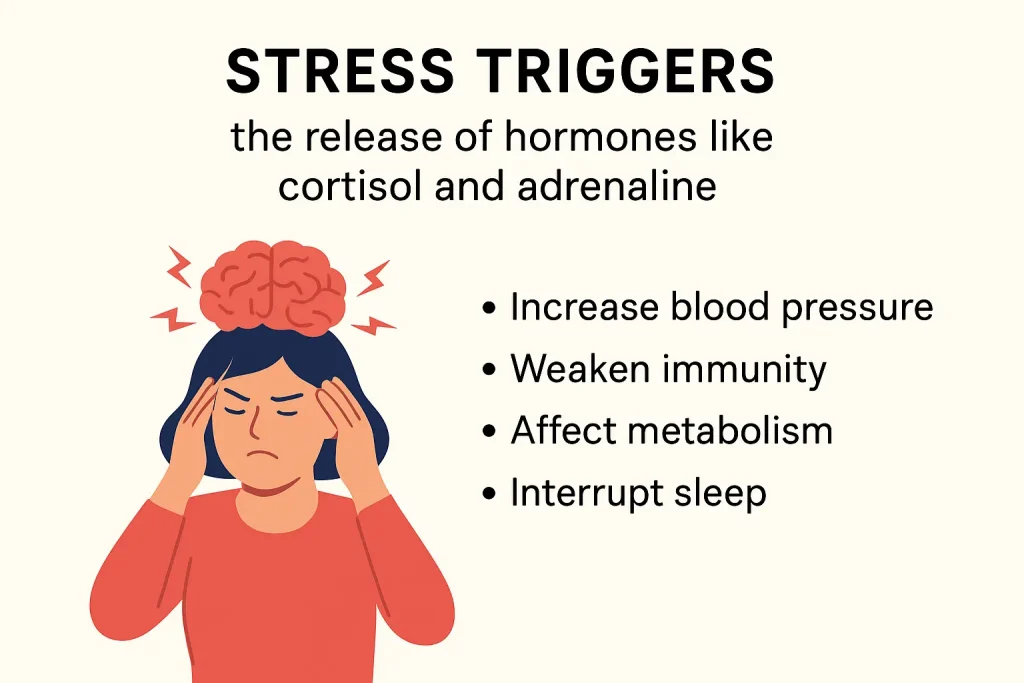
Stress triggers the release of hormones like cortisol and adrenaline. When these hormones stay elevated for too long, they can:
- Increase blood pressure
- Weaken immunity
- Affect metabolism
- Interrupt sleep
Effects on the Nervous and Immune Systems
Prolonged mental stress disrupts the autonomic nervous system, which controls involuntary processes like heart rate and digestion. It can also suppress the immune system, making you more likely to get sick.
Physical Symptoms Triggered by Poor Mental Health
Chronic Pain
Mental health struggles—especially anxiety and depression—can worsen pain perception. People often experience:
- Headaches
- Muscle pain
- Joint stiffness
Sleep Disturbances
Racing thoughts, anxiety, and low mood often lead to:
- Insomnia
- Restless sleep
- Oversleeping (common in depression)
Fatigue and Low Energy
Mental exhaustion often leads to physical exhaustion. When your brain is overwhelmed, your body follows.
Digestive Issues
Stress and anxiety can lead to:
- Bloating
- Diarrhea
- Constipation
- Irritable bowel syndrome (IBS)
Your gut is highly sensitive to emotional changes.
How Mental Health Affects Chronic Diseases
Heart Disease Risks
Chronic stress and depression can increase:
- Blood pressure
- Heart rate
- Inflammation
All of which raise the risk of heart attack and stroke.
Diabetes Management and Complications
Stress can affect blood sugar control and lead to:
- Poor medication adherence
- Overeating or loss of appetite
- Hormonal imbalances
Obesity and Eating Patterns
Emotional eating is something many people do when they’re stressed or sad. At the same time, some people might not feel like eating at all.
Autoimmune Disorders
When your mind is stressed, it can cause inflammation in the body. This can make autoimmune diseases like rheumatoid arthritis or lupus worse.
Behavioral Impacts Linking Mental and Physical Health
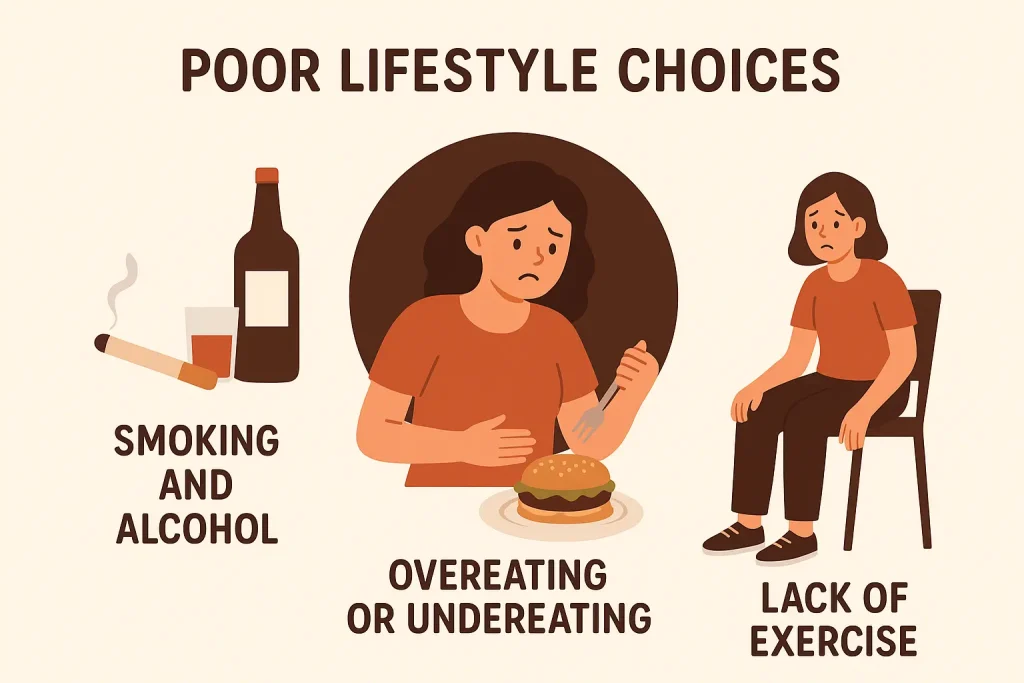
Poor Lifestyle Choices
When your mental health isn’t good, it’s harder to take care of your body. The healthy habits you used to follow may start to fade because your mind is already too busy. This creates a cycle where bad mental health leads to bad lifestyle choices, and those choices then affect your physical health even more.
Smoking and Alcohol
Some people use smoking or drinking to deal with stress, anxiety, or emotional pain. It may help a little in the short term, but it has serious effects. Moreover, smoking hurts the lungs and heart, and drinking too much strains the liver and raises the risk of long-term health problems. Over time, these habits can make both your mental and physical health worse.
Overeating or Undereating
Feelings can affect how much you eat. Some people eat more when they’re stressed or sad, using food to feel better. This can cause weight gain, problems with digestion, and low energy. Others may not eat anything at all, which can lead to missing important nutrients and feeling weak. Either extreme can mess up the body’s natural balance.
Lack of Exercise
When your mind feels heavy, it’s hard to find the energy to move your body. Fatigue, a low mood, and stress can drain your strength and make exercise feel impossible. But not being active weakens your muscles, affects your heart, and can make your mood worse—making it even harder to break the cycle.
Difficulty Maintaining Medical Treatment
Mental struggles can make it hard to:
- Take medications regularly
- Attend appointments
- Follow care plans
The Role of Stress
Acute vs. Chronic Stress
Short-term stress can be helpful; however, chronic stress is harmful. Over time, it slowly wears the body down, much like rust on metal.
How Stress Accelerates Aging
Stress shortens telomeres (the protective ends of DNA); as a result, it speeds up the aging process.
Stress and Inflammation Pathways
Chronic stress makes the body more inflamed. This extra inflammation, in turn, can contribute to many long-term health problems, including heart disease, diabetes, and autoimmune issues. Similarly, prolonged stress can weaken the immune system. As a result, the body has a harder time staying healthy and recovering from illness. Therefore, managing stress is important not just for your mind, but also for maintaining your body’s long-term health.
The Mind–Gut Connection
Gut–Brain Axis
Your gut and brain constantly “talk” through the vagus nerve. However, mental stress can disrupt this communication.
How Anxiety Affects Digestion
Anxiety can therefore slow or speed up digestion, which in turn causes discomfort.
Microbiome Changes
Stress can alter gut bacteria; consequently, this influences both immunity and mood.
Benefits of Good Mental Health on Physical Well-Being
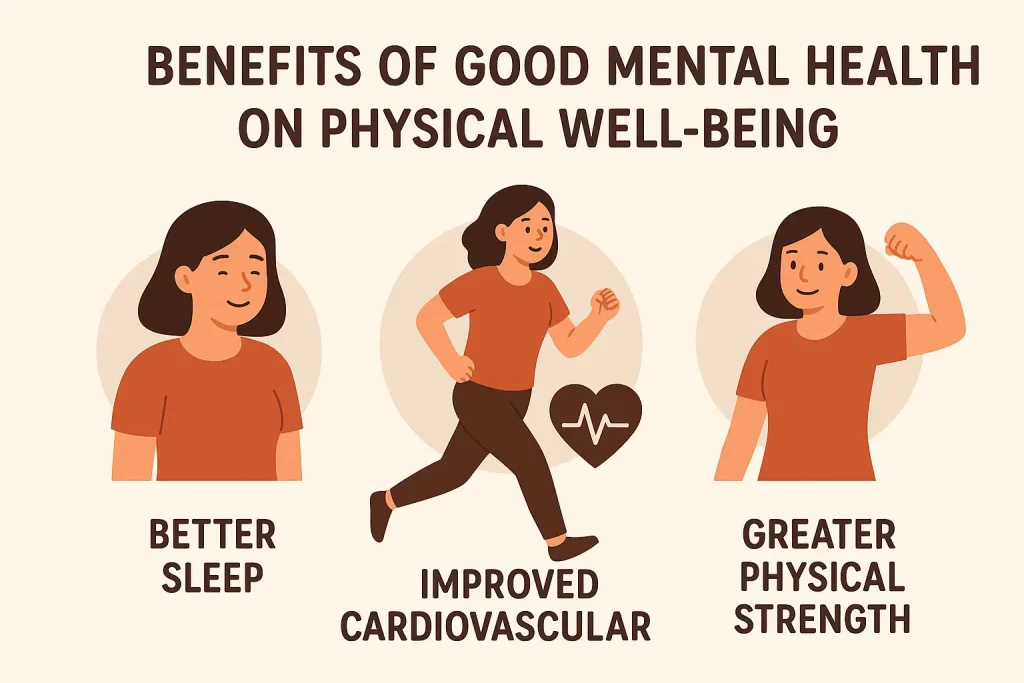
Improved Immune Response
A healthy mind reduces inflammation and strengthens immunity.
Better Cardiovascular Function
Stable mental health helps maintain a healthy heart rate and blood pressure.
Healthy Sleep Cycles
Good mental health leads to better, more restful sleep.
Strategies to Improve Mental Health for Better Physical Health
Mindfulness and Meditation
These reduce stress hormones and improve emotional balance.
Exercise
Physical activity boosts mood by releasing endorphins—the body’s “feel-good” chemicals.
Social Support
Talking to others reduces loneliness and emotional burden.
Proper Nutrition
Balanced meals nourish both brain and body.
Therapy and Counselling
Professional help provides tools to manage thoughts and emotions.
When to Seek Help
Warning Signs You Shouldn’t Ignore
- Persistent sadness or worry
- Unexplained physical symptoms
- Loss of interest in daily activities
- Sleep or appetite changes
- Thoughts of self-harm
Professional Resources
- Therapists
- Psychologists
- Psychiatrists
- Support groups
Conclusion
Your mental and physical health are two sides of the same coin. When one suffers, the other inevitably feels the impact. In fact, stress, anxiety, depression, and emotional imbalance can therefore trigger real physical symptoms—from chronic pain and fatigue to heart disease and digestive issues. Moreover, these symptoms often worsen when mental health needs are ignored. The good news is that prioritizing your mental well-being—through mindfulness, therapy, healthy habits, and emotional support—can consequently improve your physical health and overall quality of life.
Ultimately, taking care of your mind is taking care of your body.
FAQs about How Mental Health Affects Physical Health?
- Can mental health issues cause real physical symptoms?
- Yes. Mental health issues can therefore trigger headaches, stomach problems, fatigue, and even chronic pain.
- Can stress weaken my immune system?
- Absolutely. Over time, long-term stress suppresses immunity, making you more likely to get sick.
- How does anxiety affect the body?
- Anxiety can cause rapid heartbeat, sweating, digestive issues, chest tightness, and sleep problems. In addition, it may make everyday tasks feel more exhausting.
- Does good mental health improve physical health?
- Yes. Good emotional well-being can boost immunity, heart health, and energy levels.
- When should I seek help for mental health concerns?
- If symptoms interfere with daily life or cause distress, it is important to reach out for professional help.
If you have any questions about “How Mental Health Affects Physical Health?,” feel free to reach out to us or leave a comment below.